A little bit about seeds
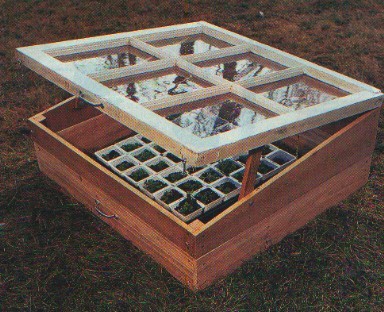
I'll tell you a little secret... I always buy tomatoes and basil as plants. Our Spring weather is just too temperamental and I haven't had the right set up to have them inside. Next year, my plan is to build something like this. That way, I can have them inside for longer periods of time and I may just try my hand at saving seed from my tomatoes this year for next years crop. Nearly everything else (unless I get impatient) is from seed.

Growing from seed is always tricky, but it doesn't have to be hard. There are a couple rules of thumb.
#1. Buying seeds. I buy my seeds from Seed Savers, Territorial Seed Co, or organic from the store as I walk through. There have been some scares with Territorial lately because they still get seeds from Monsanto... so most everything I get from them is Organic (no GMO's allowed!).

#2. Seeds like to be planted in the soil about twice the depth that they are wide. That means if you have a tiny seed, it wants to be very close to the soil surface, and if you have a larger seed (like these birdhouse gourd seeds to the right in the picture above) they want to be quite a bit deeper. There are some exceptions to this rule however, so if you can, always read the seed instructions on the package.
#3. Seeds like to be warm. Know your Average Last Frost Date! It is good to know the date around when you can put your seedlings outside without fear of them freezing and dying. Our LFD is approximately April 26th around here. So I put the seeds in their pots in my window 3 to 5 weeks before that. (Edited to add: There are some seeds that are ok to plant right into the ground before the last frost date. For this tute I was speaking mostly of warmer growing plants that you want to put in peat pots to transfer outside later. However peas, carrots, kale, and most of the brassicas family (broccoli, cabbage, etc.) are cold weather sprouters and do fine put in the ground 'as soon as it is workable'... which it usually says on the back of the package.)
#4. Not all seeds germinate. Many seed packages say the ratio of germination right on the back. Territorial especially, is good about putting that information on there. I use this information to figure out how many seeds to plant per pot. For example, if a seed has a 75% germination rate, I may put 3 seeds in each peat pot, but if it has a 90% I will only put two seeds (sometimes only one if I have experience with the variety).
#5. Hardening off is essential. Hardening off is when you place the seedlings outside, in the shade, on mild days for a few hours. You lengthen this time from 4 hours the first day, to perhaps all day long on the 7 - 10th day before you add the seedlings to your garden. This reduces shock, and you are more likely to get healthy plants from your seeds if you are prepared to do this. (My dream is to have a whole entire bed, dedicated to hardening off seedlings. I would love one made of old windows, with beautiful hinges at the back and a Thermostatically Controlled Vent Opener that opens the top just slightly if it gets too warm....... sigh. To dream.) For now, hardening off is done the old fashioned way: by me taking the tray of seedlings out to sit under the cherry tree and then setting a timer to remember to go get them again.
Coming soon: how to make seed tape!



Comments
Not all seeds like warmth to sprout. Veggies like cabbage, broccoli, kale and flowers like stocks like a cooler temp to sprout - then they can be moved to a warmer area.
Blessings,
Val